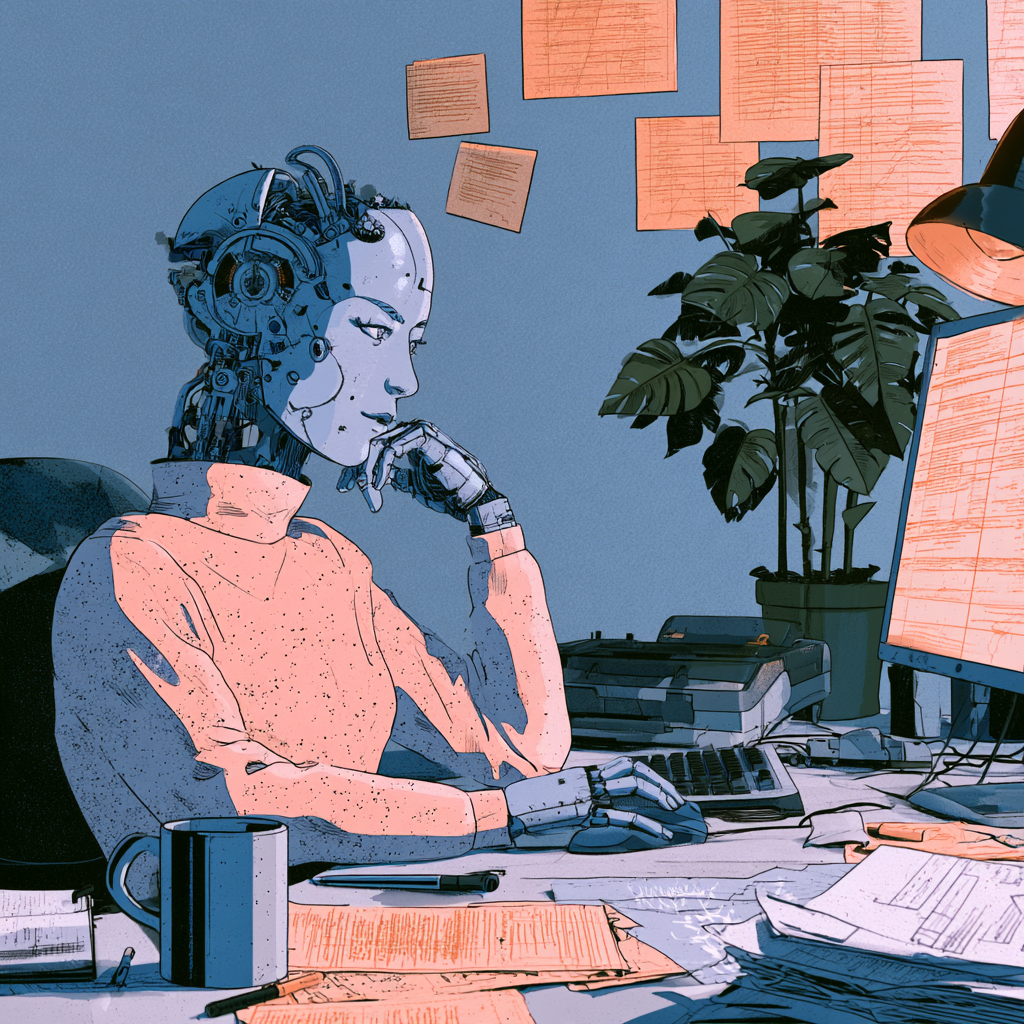
The Link Between Screen Time and Mental Health: What Science Says
February 1, 2025 · Rich Benvin

The Link Between Screen Time and Mental Health: What Science Says
In today’s digital world, screens are everywhere. From smartphones and computers to televisions and tablets, our daily lives revolve around screens more than ever before. While technology has brought incredible convenience and connectivity, research suggests that excessive screen time can have significant effects on mental health.
But how much screen time is too much? Does screen exposure affect our mood, sleep, and overall well-being? In this article, we’ll explore what science says about the relationship between screen time and mental health, the potential risks, and ways to create a healthier digital balance.
1. The Rise of Screen Time: How Much Are We Really Using?
The average person spends a staggering 7-10 hours per day looking at screens. According to a 2023 report by DataReportal, the global average screen time is:
- Smartphones: 4-5 hours per day
- Computers/Laptops: 3-6 hours per day
- Televisions & Streaming: 2-3 hours per day
- Gaming Consoles & Tablets: 1-2 hours per day
For many, screens are an unavoidable part of work, school, and entertainment. However, excessive screen use has raised concerns about its impact on mental health, particularly among young people.
2. How Screen Time Affects Mental Health
📉 1. Increased Risk of Anxiety & Depression
Multiple studies have linked high screen time—especially social media use—to increased rates of anxiety and depression.
- A study published in JAMA Pediatrics found that adolescents who spent more than three hours daily on social media were twice as likely to experience anxiety and depression symptoms compared to those with limited use.
- The dopamine-driven feedback loops in apps like Instagram, TikTok, and Facebook can lead to social comparison, fear of missing out (FOMO), and reduced self-esteem.
🔹 Why It Happens: Constant exposure to curated, “perfect” images of others’ lives can make users feel inadequate, leading to feelings of loneliness and sadness.
💤 2. Disrupted Sleep Patterns
- The blue light emitted from screens suppresses melatonin production, a hormone responsible for sleep regulation.
- Research by the National Sleep Foundation shows that people who use screens before bed take longer to fall asleep and experience lower sleep quality than those who avoid screens.
🔹 Why It Happens: Exposure to screens at night tricks the brain into thinking it’s still daytime, delaying the body’s natural sleep-wake cycle.
🧠 3. Reduced Attention Span & Cognitive Fatigue
- Studies have shown that excessive screen time can lead to shorter attention spans, reduced focus, and cognitive overload.
- The constant switching between apps, notifications, and multitasking forces the brain to process information inefficiently, leading to mental exhaustion.
🔹 Why It Happens: The brain is designed for deep focus, but digital distractions train us to seek instant gratification, making it harder to concentrate for long periods.
🙃 4. Digital Addiction & Dopamine Overload
- Many digital platforms are designed to be addictive, triggering the brain’s reward system with likes, comments, and notifications.
- Excessive gaming, social media scrolling, and video consumption can lead to compulsive behaviors similar to gambling addiction.
🔹 Why It Happens: Screens stimulate dopamine release, creating cycles of instant gratification and making it difficult to disengage.
🤝 5. Social Isolation & Decreased Face-to-Face Interaction
- While digital communication has made connecting easier, it cannot replace real-life social interaction.
- Research from the American Journal of Preventive Medicine found that individuals with the highest screen time usage reported feeling more socially isolated than those with moderate use.
🔹 Why It Happens: Online interactions often lack emotional depth, body language, and genuine connection, leading to feelings of loneliness.
3. How Much Screen Time Is Too Much? (Expert Guidelines)
There’s no one-size-fits-all answer, but leading health organizations provide general screen time recommendations:
- Children (Ages 2-5): Max 1 hour per day of high-quality content
- Teens (Ages 6-18): Max 2 hours per day of recreational screen time
- Adults: Limit non-essential screen time to 3-4 hours per day
🚨 Red Flags of Excessive Screen Time:
✅ Trouble sleeping or difficulty waking up
✅ Increased anxiety, irritability, or restlessness
✅ Decreased motivation for offline activities
✅ Struggling to focus at work or school
✅ Feeling guilty or “addicted” to screens
4. The Science-Backed Benefits of Reducing Screen Time
🔹 Improved Mental Clarity & Focus – Less digital distraction allows deeper thinking.
🔹 Better Sleep Quality – Less blue light exposure helps regulate melatonin.
🔹 Increased Social Connection – More face-to-face interaction improves relationships.
🔹 Lower Stress Levels – Reduced social media comparison lowers anxiety.
🔹 Healthier Eyes & Posture – Less screen use reduces eye strain and back pain.
5. How to Reduce Screen Time Without Losing Productivity
1️⃣ Set Screen-Free Zones & Times
- Keep bedrooms and mealtime screen-free to encourage real conversations.
- Try the “No Screens 1 Hour Before Bed” Rule for better sleep.
2️⃣ Use Digital Well-Being Tools
- iPhone & Android: Set daily screen time limits in settings.
- Apps like “Freedom” or “Forest” block distractions to keep you focused.
3️⃣ Follow the 20-20-20 Rule (Reduce Eye Strain)
- Every 20 minutes, look 20 feet away for 20 seconds to relax your eyes.
4️⃣ Replace Screen Time with Offline Activities
- Read books, exercise, or try a new hobby instead of doom-scrolling.
- Meet friends in person instead of texting.
5️⃣ Turn Off Non-Essential Notifications
- Constant notifications create distractions and increase stress.
- Disable social media alerts to avoid unnecessary scrolling.
Final Thoughts: Finding a Healthy Balance
Screens are a necessary part of modern life, but too much screen time can negatively impact mental health. Studies show links between excessive screen use, anxiety, sleep disruption, and reduced attention spans.
The key is balance—using technology responsibly while prioritizing real-world experiences, social interactions, and self-care. By making small, intentional changes, you can take control of your screen habits and improve your overall well-being.
🚀 Take Action Today:
✅ Track your daily screen time.
✅ Set personal limits and screen-free zones.
✅ Prioritize face-to-face interactions.
✅ Invest in hobbies that don’t involve screens.
💡 How do you manage screen time in your daily life? Share your thoughts below!